Low Angle Shot-
- An example of a low angle shot from the movie War Horse (2012) shown by a print screen.
- It is a shot taken at a low angle, normally positioned downwards facing up at the subject.
- Shows the size/status of the horse.
 High Angle Shot-
- An example of a high angle shot from the movie Titanic(1997) shown by a print screen.
- It is a shot taken from a high position often looking directly down at the subject.
- Shows the audience whats happening.

Extreme close-up-
- An example of a extreme close-up shot from the movie Avatar(2009 shown by a print screen.
- Its a shot that only shows certain features of the face often the eyes.
- In this case the shot was to show the beauty of the creature.

Medium Close-Up Shot-
- An example of a Medium Close-Up shot from the movie Alice In Wonderland(2010) shown by a print screen.
- Its a shot that shows the subject in detail to the audience, showing just the head and shoulders. This shows the mise en scent of the subject telling the audience about that subject.
Close-Up Shot-
- An example of a Close-Up shot from The Shining(1980) shown by a print screen.
- Its a shot to show the head only to show the detail of the subject and the mise es scent.

Long Shot-
- An example of a Long Shot from the movie Dodge Ball(2004) shown by a print screen.
- Its a shot to show the location and a wide viewing and understanding of the narrative linking to the location.

- This is a shot with more than one characters in. This is a screen shot of the movie Despicable Me 2 (2013) shown by a print screen.
- This shows all the characters to the audience.
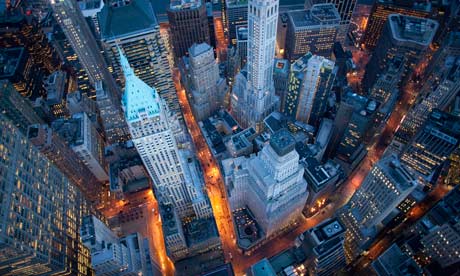
Aerial Shot-
- This is a shot to show the location, scene and time.
- This is often filmed using a crane etc.

Point Of View-
- Point the view shot is the camera angle positioned so the audience see the camera in the characters perspective.
- This connects the audience with the character and shows the audience more about the narrative, getting us involved in the film.

Panning shot-
- When the camera shows the whole location with a simple steady motion left to right.
- This shows the audience the location and connects them with the narrative.
Tilting-
- The tilting is to create an image which is at an angle.
- The camera is placed at an angle to create an effect to show the audience.
- This is an example from the movie The Third Man (1949).

Tracking-
- This is a shot where the camera follows the subject or character.
- This gets the audience involved in the movie and allows them to follow the subject on the journey.
- This is an example from the movie produced in 2011.
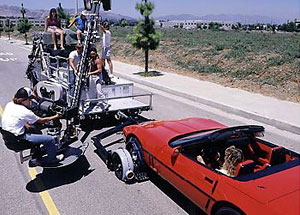
Dollying-
- This shot is similar to tracking where the camera follows the subject however its a camera on wheels which can move back and forwards with a smooth and stable action.
- This is effective for action shots or fast moving moments.
 Hand Held Shot-
- This is when the camera is postioned so the audience think the character is holding the camera to make it more realistic.
- This is used when films want to make it look like a dairy or a documentary such as this screen shot from the movie The Blair Witch project (1999) who made is realistic with this documentary like movie.

No comments:
Post a Comment
Note: only a member of this blog may post a comment.